Still catching up on The Pembrokeshire Murders episode 3? Read Steve’s review of episode 2 here.
‘Bad things happen around bad men…’
That’s what Welsh serial killer John William Cooper’s son Andrew says at one point in this third and final episode of true-life ITV crime drama The Pembrokeshire Murders. And he’s not wrong.
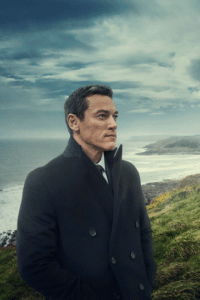
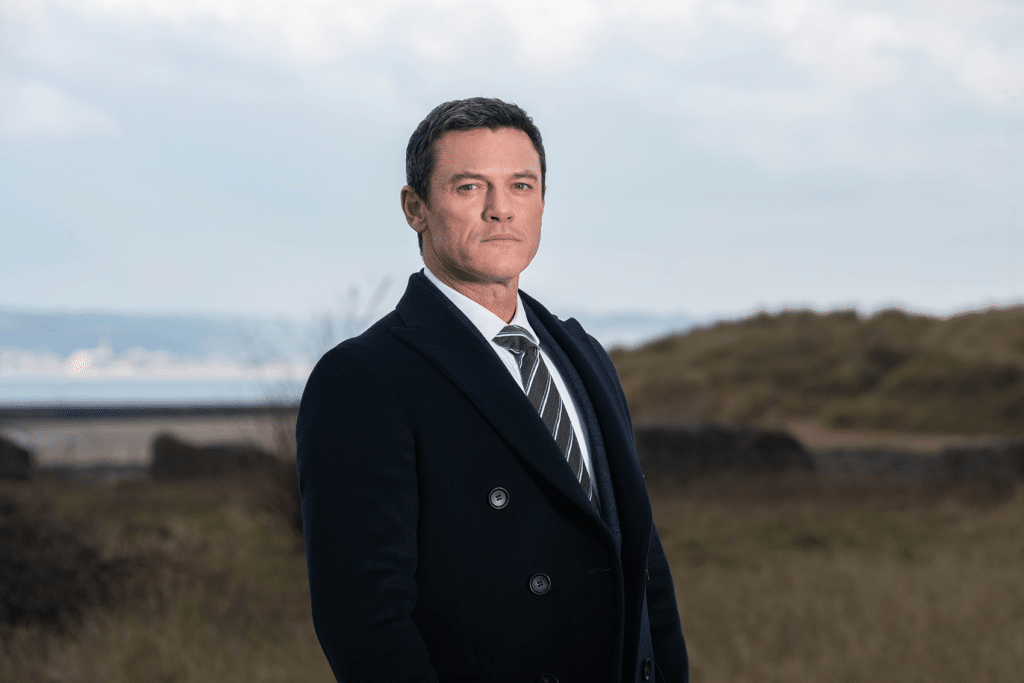
The younger Cooper is explaining how it’s possible that his father’s release from prison can coincide so precisely with his mother’s fatal heart attack. He’s talking to Detective Steve Wilkins (Luke Evans) who, understandably, suspects foul play from the murderer. But this was one Pembrokeshire death that the man wasn’t responsible for. At least not directly, anyway.
The Pembrokeshire Murders was a serious, meticulous and respectful rendering of a relatively unknown – but nonetheless fascinating – story of how police caught A Bad Man. It managed, very effectively, to convey just how much police work goes into these kinds of cold case investigations. To that end, this was an education.
Learning is rarely all that much fun, though. So while this three-parter was very worthy and a welcome and interesting addition to the schedules this week, it was difficult to get too excited by it. Like the work of Detective Steve Wikins and his Operation Ottawa team, this final episode, as with the previous two, was competent and thorough. Will it stick in the memory or tempt anyone into rewatching? It’s unlikely.
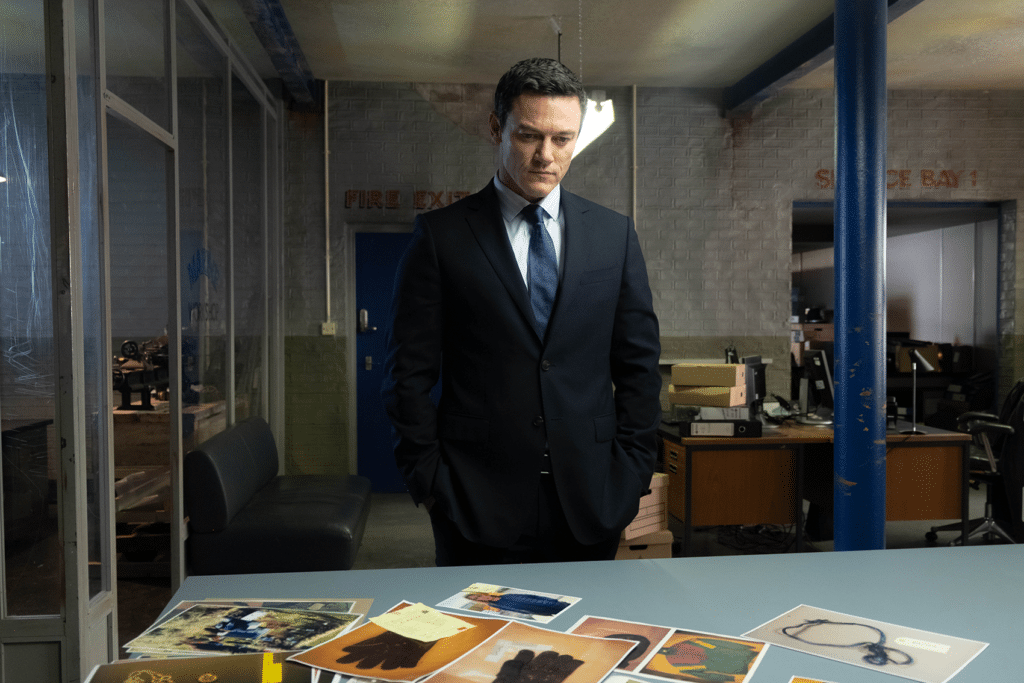
There was a bit of a trade off here. For The Pembrokeshire Murders to tell its story from the police’s perspective – which it did extremely well – it had to sacrifice any real insight into John William Cooper and his victims. We learned very little about the four people he brutally killed or the teenagers he attacked and traumatised so badly. No motive was hinted at, no examination of Cooper’s psyche was offered. What there was instead was a lot of talk about fibres in the pockets of a pair of khaki shorts.
That was the kind of the point, though. Police work isn’t the whizz-bang circus of craziness that TV and film often suggest it is. It’s generally a painstaking, process-led slog.
It would be unfair to call this cold case drama cold, though. Scenes involving Wilkins’ son tried to flesh out a character, albeit rather unnecessarily. However, there was genuine depth around Cooper’s family. We may not have found out too much about the actual victims or the man himself, but we did get to spy on the fallout in the serial killer’s immediate family.
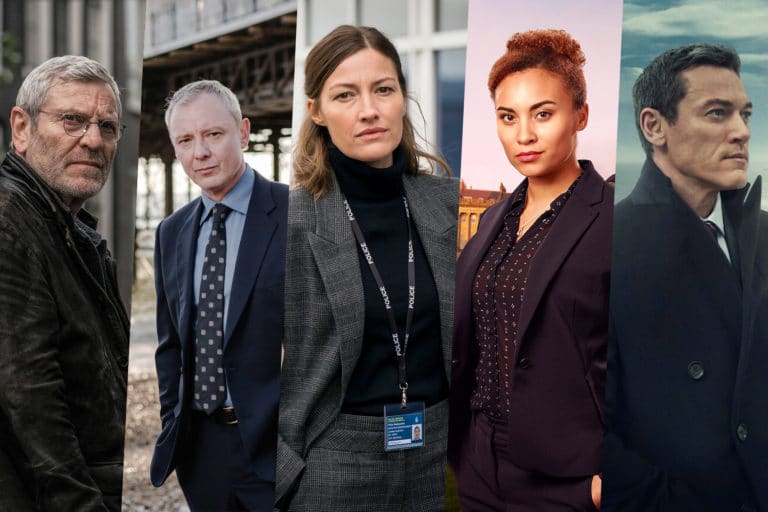
Caroline Berry was quietly effective as Pat Cooper, John’s anxious, long-suffering wife. And, in a standout performance, Oliver Ryan played John’s son and attempted scapegoat Andrew/Adrian perfectly.
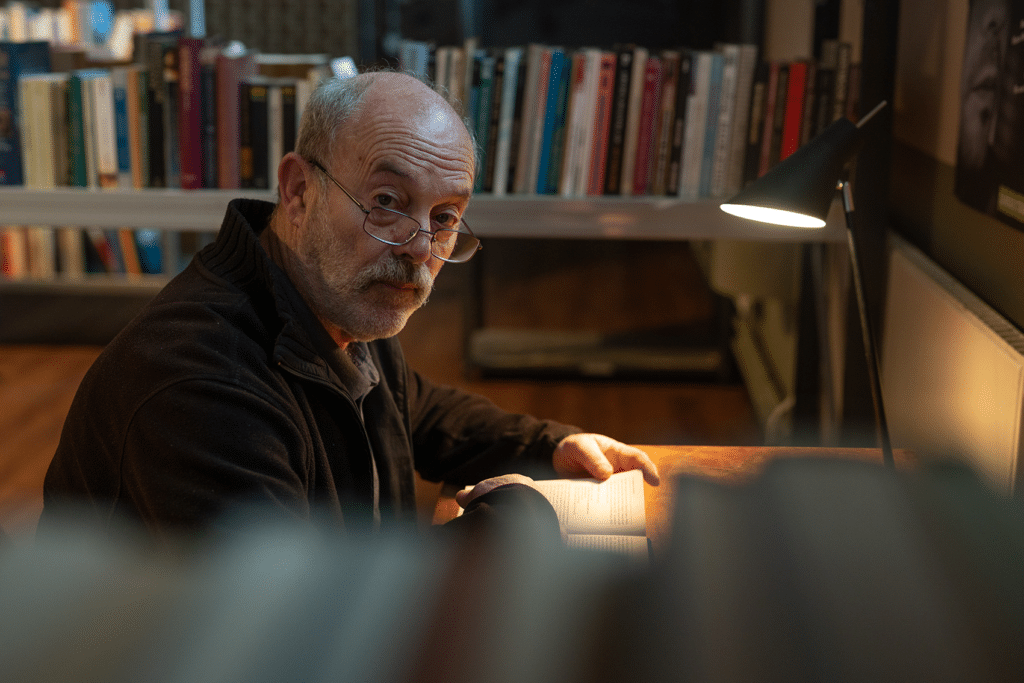
We weren’t entirely starved of excitement, though. Okay, so there wasn’t much in the way of a cliffhanger finish, but we were treated to an interrogation room showdown between Luke Evans’ Wilkins and an on-form Keith Allen as Cooper. It was a battle that was to produce only one winner.
As is often the case with not just true crime dramas, but most across the genre, we ended the story in the courtroom. That is the setting, after all, where justice is meted out. Again, these scenes offered little in the way of tension or excitement, but did tell the end of the story with respect and the necessary tone and gravitas.
A sharp, professional, intuitive and caring man, it was Steve Wilkins – whose book The Pembrokeshire Murders: Catching the Bullseye Killer (co-written with Jonathan Hill) formed the basis of proceedings here – won out. Proving that just as bad things happen around bad men, good things happen around good men too.
Did you watch The Pembrokeshire Murders episode 3? If so, let us know your thoughts on it in the comments below…



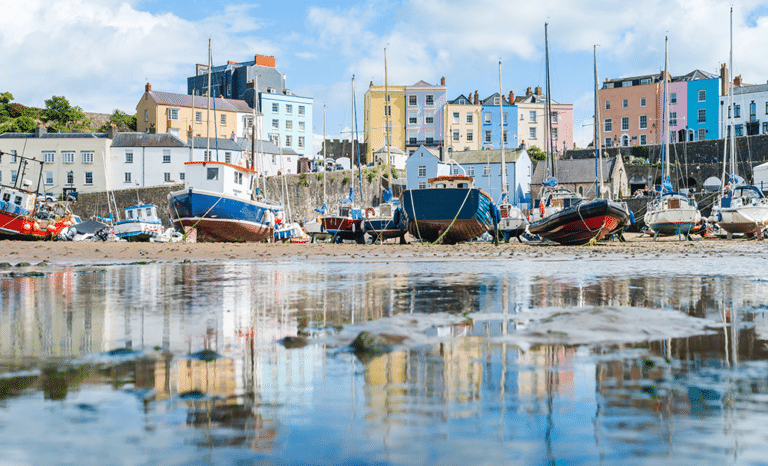

I thought it was dreadful. The acting was poor . The camera work was amateur and the lighting was bleak ….I could go on and on , but to me it really was awful. I moved to Pembrokeshire in 1980 and the first thing that strikes you is just how beautiful and peaceful is . I remember clearly when these murders took place and how it deeply shook the community. For such terrible acts of insane violence to happen in such a lovely part of the country was shocking and horrible , especially to the families and friends of course. I feel that this was completely overlooked and instead the whole mood was depressed and shabby and gave a sort of run down approach to the area .